Power Washing Brick in Richmond: Risks and Best Practices
@arthurwems382
October 22, 2026 · 7 min read
Brick is an enduring hallmark of Richmond's architectural identity. From the historic 19th-century row houses of Church Hill and The Fan to mid-century estates in Windsor Farms and newer suburban developments across Henrico and Chesterfield counties, brick masonry https://sethdvcg505.inkharbory.com/posts/house-washing-101-keeping-richmond-properties-pest-free defines the visual character of the region. However, maintaining the integrity and appearance of these structures requires specialized care. Richmond's climate—characterized by sweltering, humid summers, persistent river-basin moisture, and unpredictable winter freeze-thaw cycles—creates an ideal breeding ground for organic growth such as algae, moss, lichen, and mildew.
When homeowners and property managers notice green staining or accumulated grime, the immediate impulse is often to reach for high-pressure equipment. Yet, power washing brick without an understanding of its composition poses severe risks. Without the proper techniques, the very process intended to restore a property can permanently compromise structural integrity. Understanding the balance between effective exterior cleaning and masonry preservation is essential for every Richmond property owner.
The Unique Composition and Vulnerability of Richmond Brick
Not all brick is created equal, and in a historically dense city like Richmond, age plays a critical role in how a surface responds to washing. Structures built before the mid-20th century typically feature handmade or early machine-pressed brick. These historic bricks were fired in kilns at uneven temperatures, creating a dense, protective outer skin—known as the vitrified face—over a comparatively soft, porous clay interior.
Historic structures in neighborhoods like Jackson Ward or the Museum District were assembled using lime-based mortar. Unlike modern Portland cement, lime mortar is deliberately softer and more vapor-permeable than the surrounding brick. This composition allows the building to flex naturally with soil movement and release interior moisture. When high-pressure water hits historic lime mortar or an aging brick facade, it can strip away the vitrified crust, exposing the softer core to rapid erosion. Modern extruded brick, common in post-1970s construction, is generally harder and more uniform, but it remains susceptible to joint damage, surface etching, and water intrusion if subjected to excessive force.
Risks of Improper Power Washing on Brick Surfaces
Applying high-velocity water to brickwork introduces several distinct hazards. Pressure washing machinery rented from local hardware stores often operates at levels between 2,500 and 4,000 pounds per square inch (PSI). At these pressures, water acts as an abrasive cutting agent rather than a gentle cleaning medium.
1. Surface Spalling and Irreversible Etching
When high pressure penetrates the fired exterior shell of a brick, the softer interior clay is left exposed. Once this protective barrier is compromised, the brick becomes an absorbent sponge. The damage is permanent; etched or spalled brick cannot be repaired and must be completely cut out and replaced through costly masonry restoration.

2. Mortar Joint Degradation
Directing high-pressure spray directly at mortar joints can blast away pointing material, destabilizing the wall. Even microscopic degradation creates pathways for water to settle behind the brick veneer. Over time, this leads to structural shifting, interior drywall water damage, and pest intrusion.
3. Efflorescence Acceleration
Efflorescence is the chalky, white mineral salt deposit that forms on masonry when water dissolves internal salts and carries them to the surface as it evaporates. Blasting gallons of pressurized water deep into porous masonry saturates the wall assembly, accelerating the migration of these salts and creating stubborn, unsightly white patches across the facade.
4. Freeze-Thaw Structural Damage
In Richmond, winter temperatures routinely oscillate above and below freezing. If brick absorbs excessive water during late-autumn cleaning, any moisture trapped within micro-fissures will expand by roughly nine percent as it freezes. This expansion causes internal shear stress, resulting in the face of the brick popping off entirely during the winter months.
Power Washing vs. Soft Washing: Understanding the Difference
To safely clean masonry, modern exterior cleaning standards differentiate between traditional pressure washing and gentle chemical sanitization, commonly known as soft washing. High-pressure washing relies on kinetic force to dislodge dirt, which makes it ideal for hard, non-porous surfaces like flat concrete. In contrast, soft washing relies on low-pressure application—typically under 500 PSI—combined with targeted, biodegradable cleaning solutions.
Because organic organisms like Gloeocapsa magma (black algae), lichen, and mold possess microscopic root systems (rhizines) that anchor into masonry pores, surface blasting merely cuts off the top layer while leaving the root structure intact. Soft washing uses specialized surfactants and algaecides to eradicate these biological growths at the cellular level. Once sanitized, the brick is thoroughly rinsed using high-volume, low-pressure water, leaving the masonry clean without disturbing fragile mortar joints or delicate historic clay surfaces.
Best Practices for Cleaning Brick in Richmond
Proper masonry cleaning requires a methodical approach that prioritizes surface preservation over aggressive force. The following protocol represents the professional standard for maintaining structural safety while achieving deep aesthetic renewal:
- Comprehensive Surface Assessment: Inspect the mortar lines, check for hairline fractures, identify loose bricks, and evaluate the type of brickwork present. Any failing mortar should be repointed and allowed to cure fully before introducing water.
- Pre-Wetting Surrounding Vegetation and Masonry: Saturate all nearby landscaping, grass, and surrounding plantings with clean water. Saturating the brick itself prevents it from drinking in chemical cleaning agents too rapidly.
- Low-Pressure Chemical Application: Apply a tailored cleaning detergent using a dedicated low-pressure delivery system. The solution should break surface tension and eliminate biological contaminants without mechanical agitation.
- Adequate Dwell Time: Allow the cleaning formulation to dwell on the brick surface for 10 to 15 minutes. This chemical dwell time allows the solution to neutralize root systems and loosen embedded dirt.
- Wide-Fan, Low-Pressure Rinse: Rinse the surface using a wide-angle spray tip (40 degrees or wider) at low pressure. The water stream should always be kept moving diagonally across the wall face rather than concentrated perpendicularly on mortar joints.
Integrating Brick Cleaning with Whole-Home Exterior Maintenance
Brick facades do not exist in isolation; they are part of an integrated building envelope. In Richmond properties, brick often meets siding, foundations, architectural trim, and paved walkways. Proper exterior care requires harmonizing multiple cleaning procedures to prevent cross-contamination.
When planning comprehensive property upkeep, brick washing is most effective when coordinated with full house washing routines. For example, vinyl or HardiePlank siding located above lower-level brick facades should always be washed first, ensuring that runoff does not stain freshly cleaned masonry below. Similarly, professional roof cleaning must be managed with extreme care. Runoff from roof treatments often contains concentrated sodium hypochlorite, which can cause severe discoloration or streaking if allowed to dry on hot brick walls. Pre-wetting downspout discharge areas and rinsing brick continuously during roof work prevents chemical shadowing.
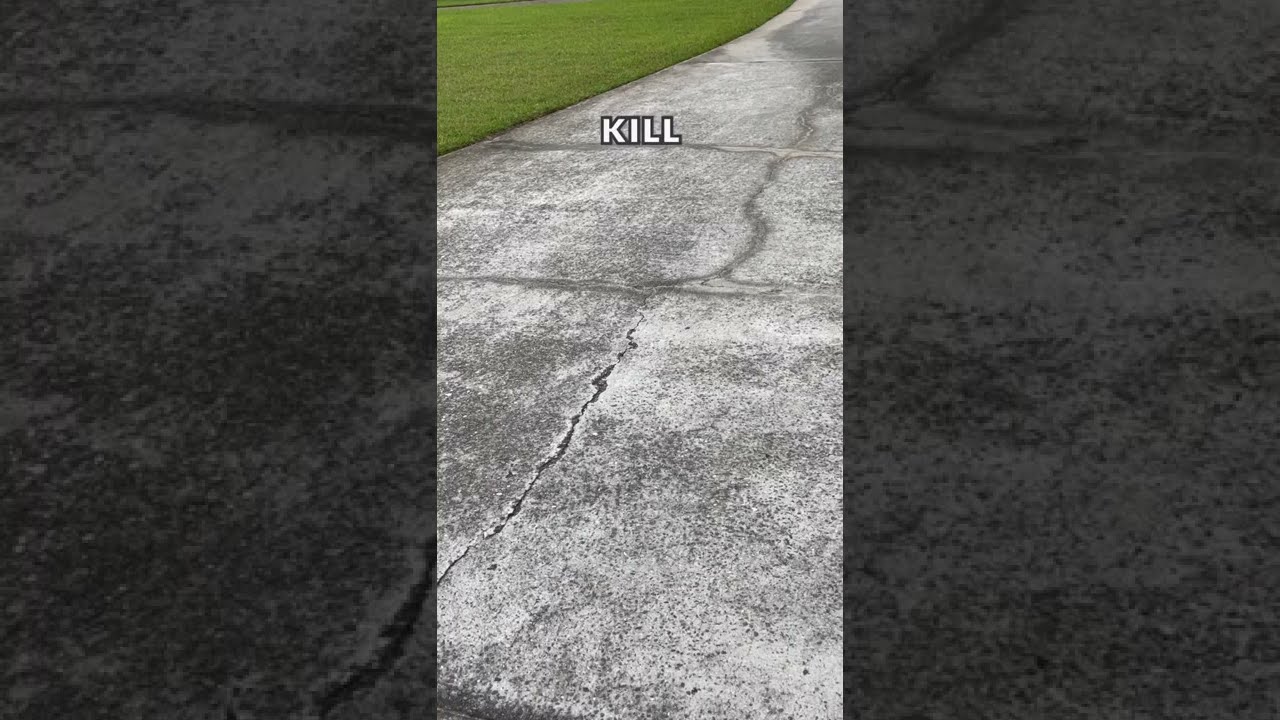
At ground level, the boundary between brick foundations and walkways requires careful handling. While high-pressure surface cleaners are standard for flatwork during driveway cleaning, these tools must not be run directly against brick borders or masonry retaining walls. Professional technicians transition to dedicated edge guards and lower pressure settings when approaching brick transitions to avoid chipping edges or blasting out polymeric joint sand.
When to Hire a Professional Masonry Cleaner
While DIY equipment is widely accessible, cleaning architectural brick involves substantial financial risk. Homeowners should weigh the low cost of equipment rental against the potential thousands of dollars required to repair blown-out mortar or scarred brick. Professional exterior cleaning teams utilize commercial-grade, multi-stage systems that regulate pressure down to exact specifications while heating water to dissolve oily soot without mechanical force.
Property owners should immediately avoid DIY pressure methods and consult professional preservationists under any of the following conditions:
- The structure was constructed prior to 1950 or features lime-sand mortar.
- Mortar joints exhibit visible cracking, crumbling, or sand shedding upon a light touch.
- The brick surface has previously been painted, whitewashed, or coated with historic limewash.
- Heavy lichen colonies have formed, which carry root systems capable of pulling the face off the brick if mechanically dislodged.
- White, crystalline efflorescence is widespread, signaling existing deep moisture migration problems inside the wall cavity.
Preservation and Maintenance for 2026 and Beyond
Exterior maintenance practices have advanced significantly, emphasizing conservation over cosmetic speed. As property owners prepare their maintenance schedules for 2026, 2027, and beyond, post-cleaning protection is becoming standard practice throughout the Richmond area.
Once a brick structure has been safely sanitized using soft washing techniques, applying a breathable, penetrating silane-siloxane water repellent can provide long-term protection against the humid Virginia climate. Unlike older acrylic sealers, which formed an impermeable plastic film that trapped moisture inside the brick and caused rapid spalling, modern penetrating sealers leave the pore structure open to vapor transmission while preventing liquid water droplets from soaking into the wall. By pairing periodic soft wash treatments with breathable sealants, Richmond homeowners can preserve their brick's natural color, protect historic masonry joints, and enhance curb appeal for decades to come.
Richmond Pressure Cleaning
Unit 2/420 Church St, Richmond VIC 3121
ph. (03) 4231 7213